Admissions open · Session 2027–28 · LKG to Class 10 08825119203
Sant Dariya Saheb GYANASTHALI logo Sant Dariya SahebGYANASTHALI
HomeAcademics

Academics

A clear learning path from LKG to Class 10, following the CBSE pattern.

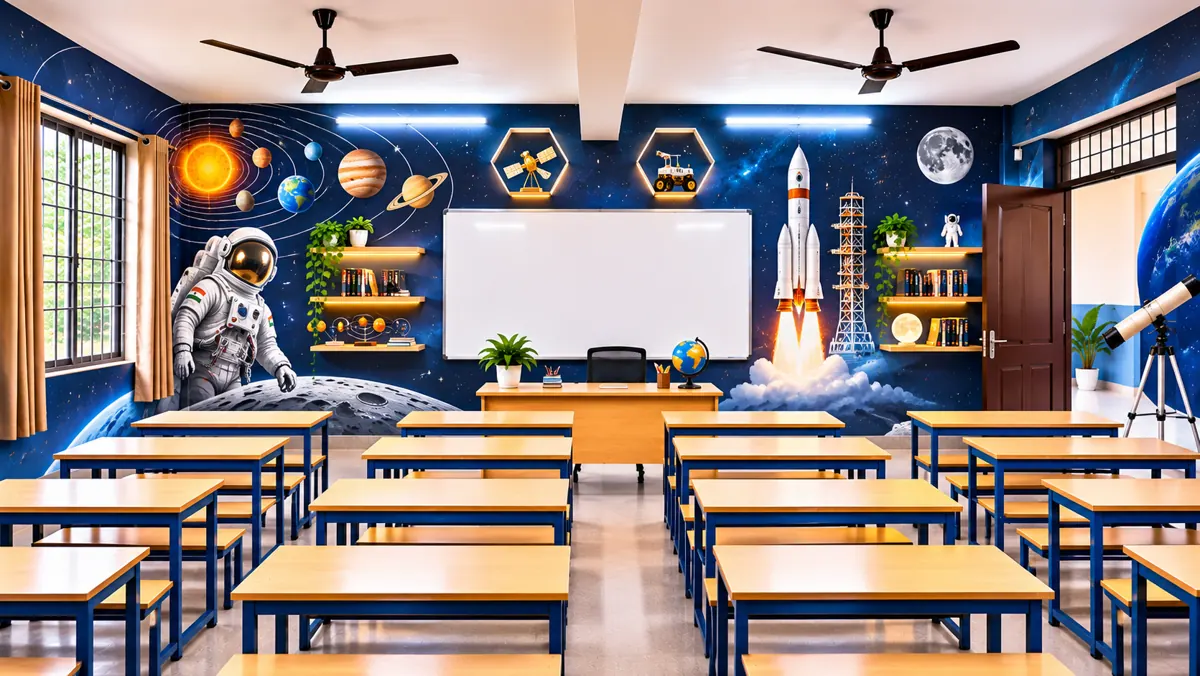
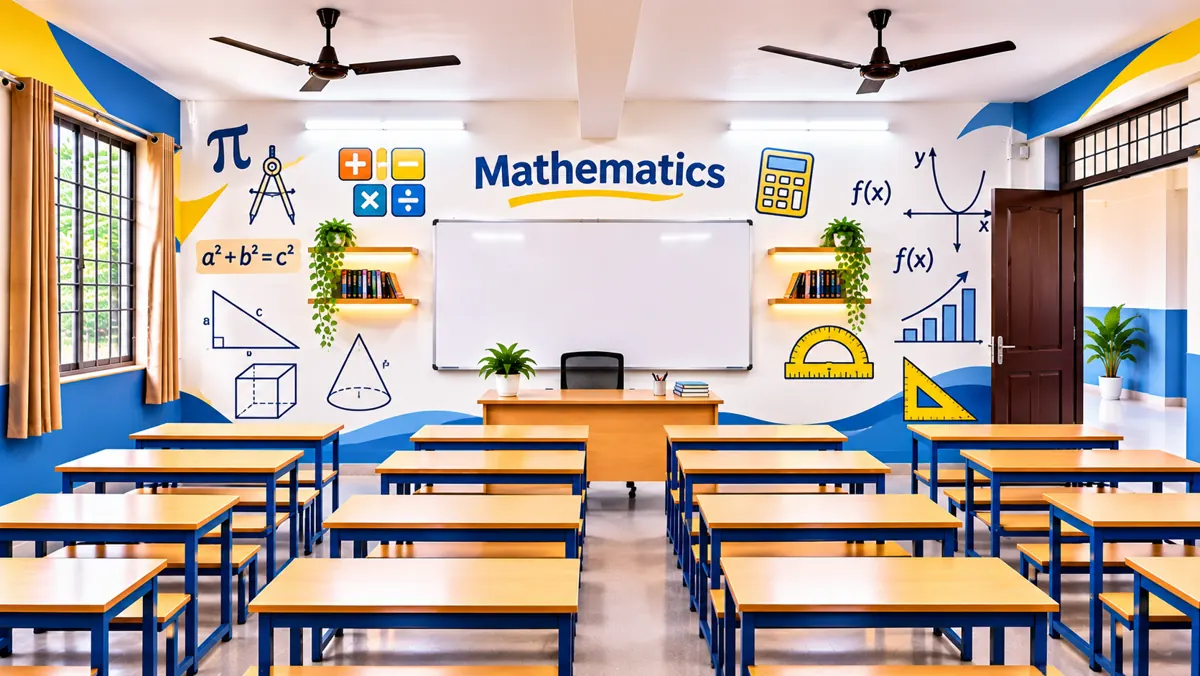
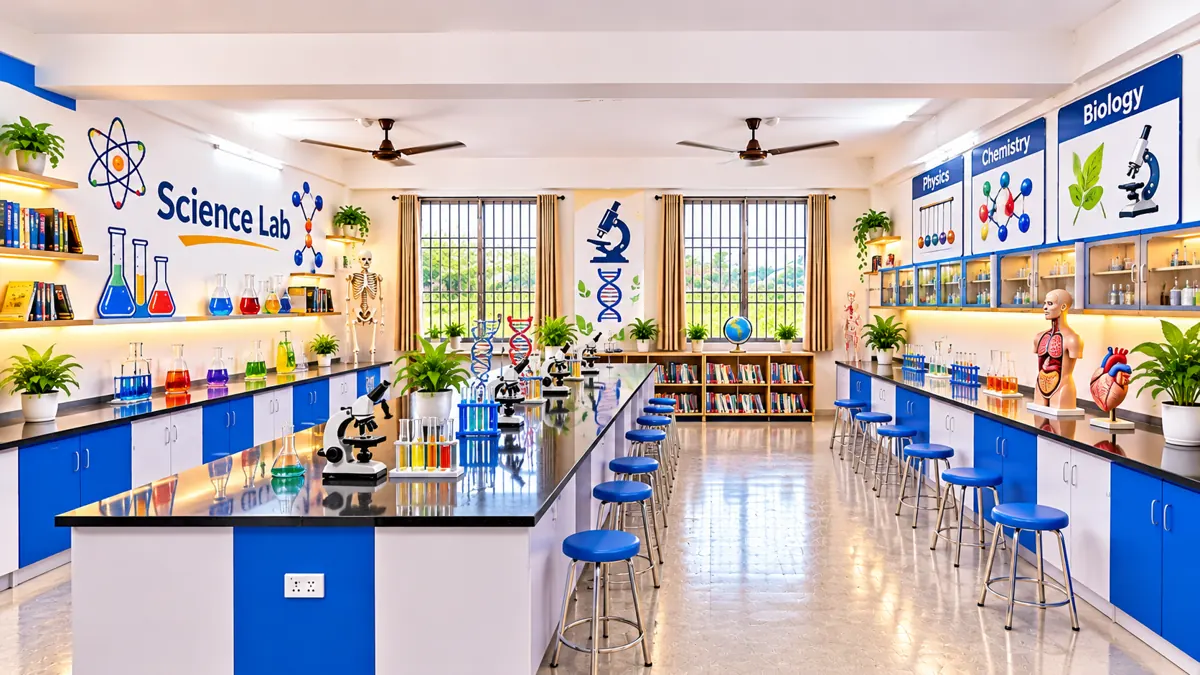
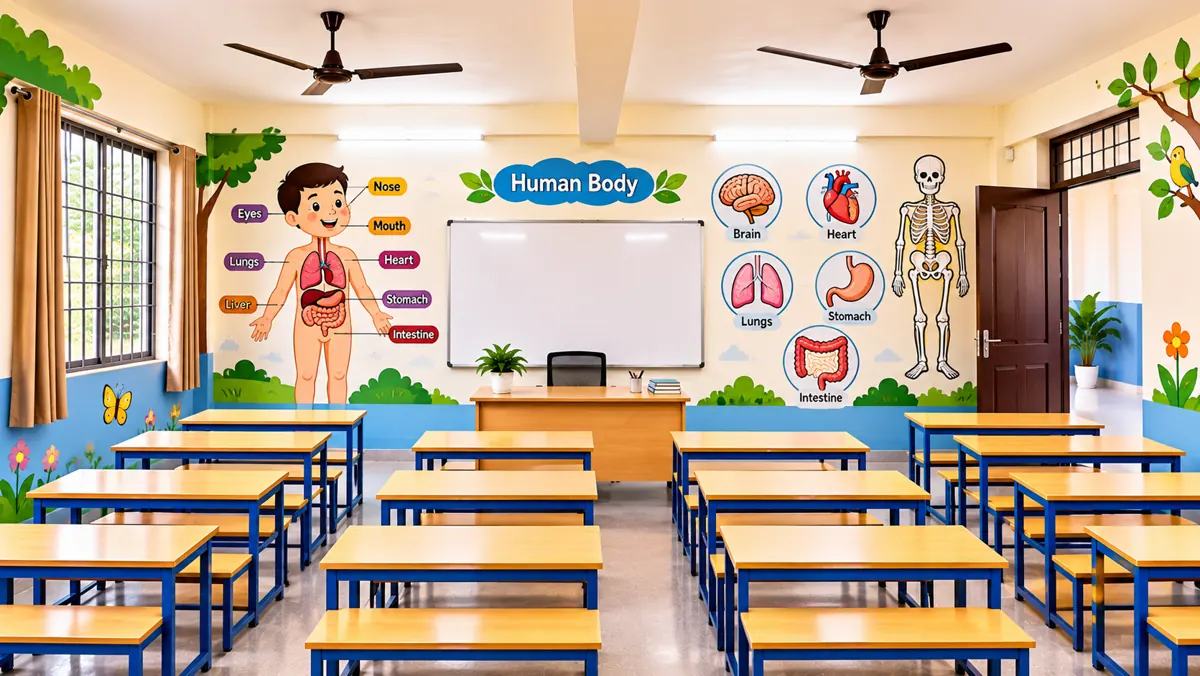
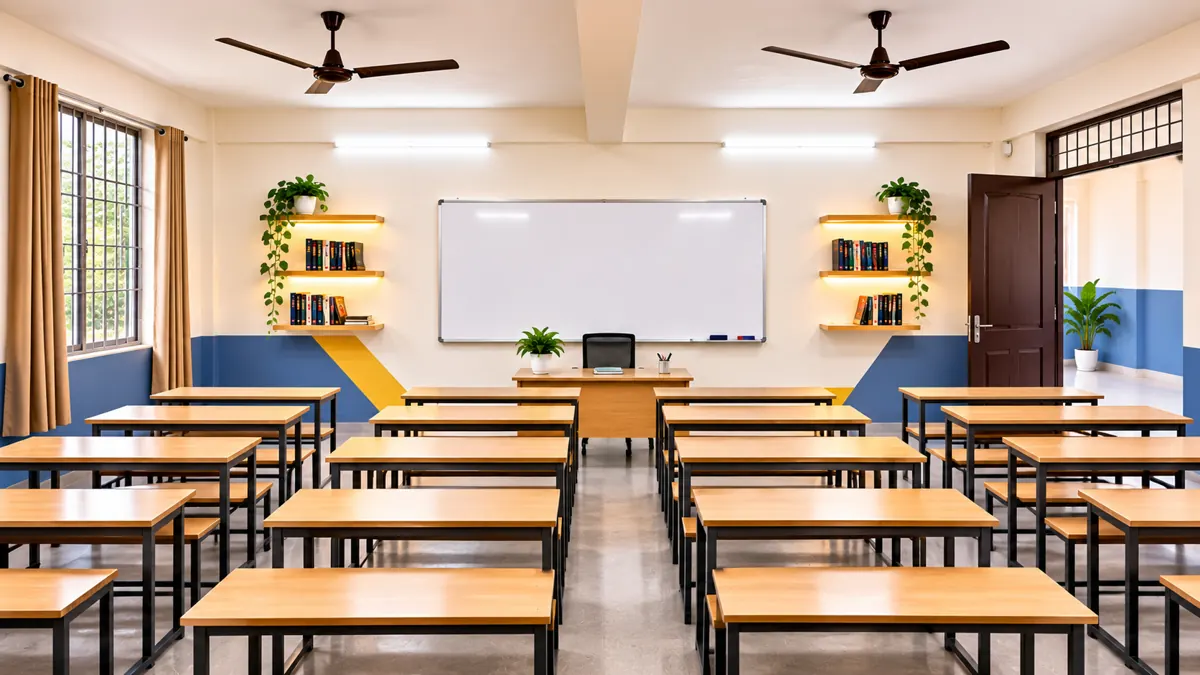
Image: artist's impression

Our learning stages

Each stage builds on the one before: play and senses first, then strong reading and maths, then concepts and application, and finally board preparation. Alongside academics, every stage includes sports, arts, values and life skills for the child’s all-round growth.

LKG – UKGLearning through play, senses and stories
Class 1 – 5Strong foundations: read, write, reason
Class 6 – 8Understand, apply and explore
Class 9 – 10Board-ready and future-ready
Pre-Primary classroom LKG – UKG Ages 3–6
Stage 1 of 4 · LKG – UKG

Pre-Primary

Learning through play, senses and stories

Young children learn best when they touch, see, sing and move. Our pre-primary classrooms are activity corners, not rows of desks. Every day mixes play, rhymes, stories and small hands-on tasks, so that the first experience of school is joyful and a love for learning begins early.

How we teach
  • Play-way and activity corners for language, numbers and art
  • Phonics for English sounds and varnamala for Hindi
  • Numbers and shapes taught with real objects, beads and blocks
  • Clay, colouring and cutting to build fine motor skills
  • Daily habits – greeting, sharing, cleanliness and queueing
What your child gains
  • Speaks confidently in class
  • Ready to read and write
  • Steady hands for writing
  • Good school habits and friendships
SubjectsEnglish & phonicsHindi varnamalaNumbers & shapesRhymes & storiesArt, clay & play
Primary classroom Class 1 – 5 Ages 6–11
Stage 2 of 4 · Class 1 – 5

Primary

Strong foundations: read, write, reason

These are the years that decide how well a child learns later. Our focus is foundational literacy and numeracy: every child should read fluently in Hindi and English and be confident with numbers. Lessons move from concrete examples to ideas, with lots of practice and attention to children who need extra help.

How we teach
  • Daily reading time and a reading level check for every child
  • Maths through objects, games and mental maths before worksheets
  • EVS through nature walks, small projects and observation
  • Spoken English practice in morning assembly and class
  • Small-group remedial support for children who fall behind
What your child gains
  • Fluent reading in two languages
  • Confidence with numbers
  • Curiosity about the world
  • Neat handwriting and good study habits
SubjectsEnglishHindiMathematicsEVSComputer basics (from Class 3)Art, music & value education
Middle classroom Class 6 – 8 Ages 11–14
Stage 3 of 4 · Class 6 – 8

Middle

Understand, apply and explore

In middle school we move from remembering to understanding. Science is learnt in the lab, maths through reasoning and real-life problems, and social science through maps, timelines and discussion. Students start presenting their work and learning to work in teams.

How we teach
  • Concept-first teaching – the why before the formula
  • Regular science practicals and model making
  • Projects, presentations and group work every term
  • Computer lab for documents, presentations and coding basics
  • Quiz, debate and science exhibition participation
What your child gains
  • Clear concepts, not rote answers
  • Confidence to speak and present
  • Teamwork and responsibility
  • Practical digital skills
SubjectsEnglishHindiSanskritMathematicsScienceSocial ScienceComputer
Secondary classroom Class 9 – 10 Ages 14–16
Stage 4 of 4 · Class 9 – 10

Secondary

Board-ready and future-ready

Class 9 and 10 prepare students for the board examination and for the choices that come after it. Teaching follows the CBSE pattern with a planned test calendar, regular writing practice and individual attention, along with guidance on streams and careers.

How we teach
  • Syllabus planned month by month, finished before revision time
  • Unit tests, answer-writing practice and sample papers
  • Pre-board (mock) exams under real exam conditions
  • Doubt-clearing sessions and extra classes for weak areas
  • Career and stream guidance for students and parents
What your child gains
  • Exam confidence and time management
  • Strong answer-writing skills
  • Clarity on stream and career choices
  • Self-study discipline
SubjectsEnglishHindiMathematicsScienceSocial ScienceInformation Technology

How we teach

Activity-based learning

Projects, models and group work so concepts stay with the child.

Small class size

Teachers can give personal attention to each student.

Remedial classes

Extra help for students who need more time on a topic.

Regular parent meetings

PTMs every term to share progress and plans.

Assessment

Pre-primary children are assessed through observation and activities — no written exams. From Class 1, we follow periodic tests, half-yearly and annual exams as per the CBSE pattern, with a report card every term.

School timings

LKG – UKG8:00 AM – 12:00 PM
Class 1 – 58:00 AM – 1:30 PM
Class 6 – 108:00 AM – 2:00 PM
OfficeMon–Sat, 8:00 AM – 2:00 PM

Sample timings — update as per your school.

Beyond the classroom

YogaSportsDanceMusicArt & craftQuizScience exhibitionDebateEducational tripsAnnual Day